
Apple’s new iPhone Air fuels debate over future of SIM cards
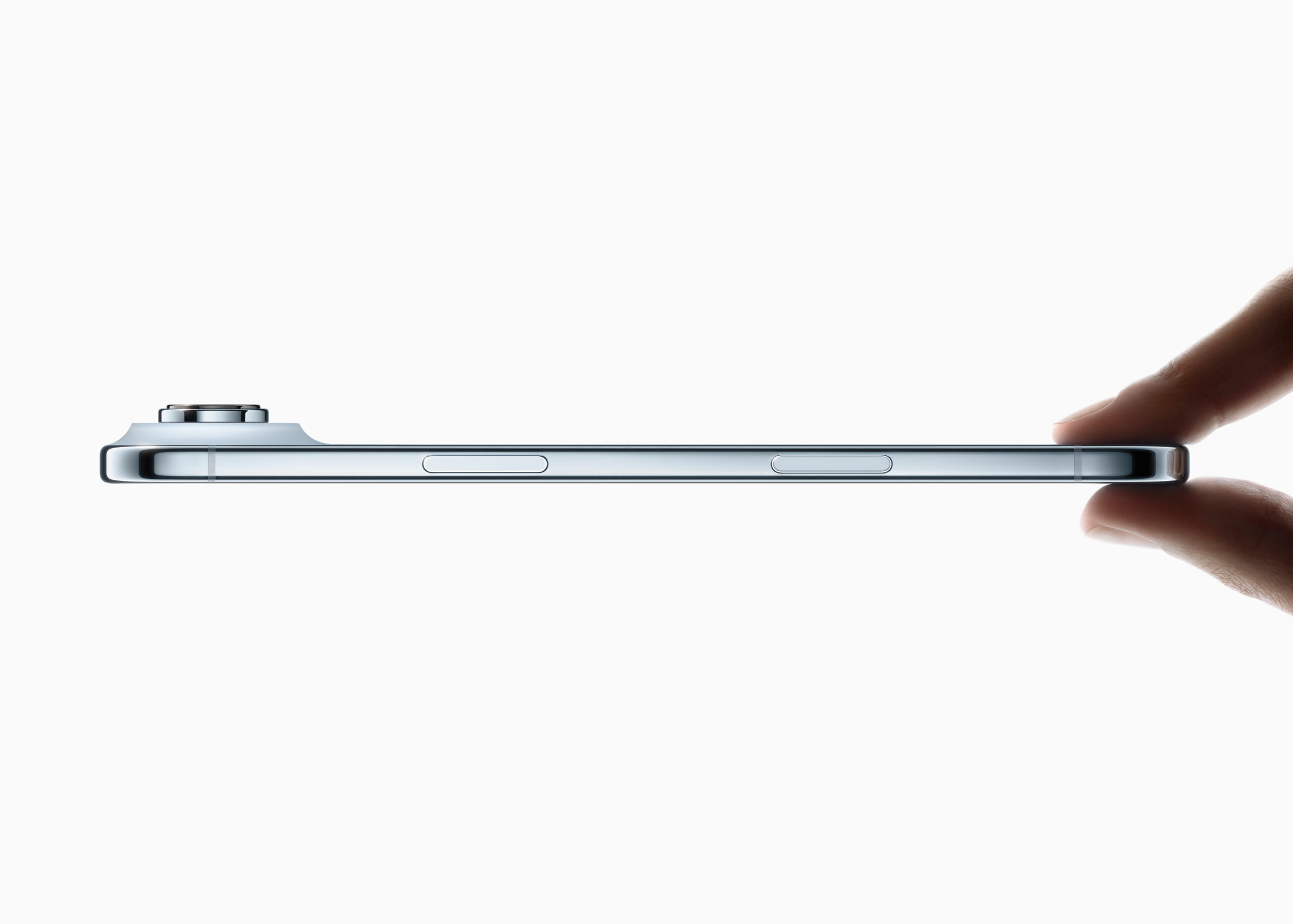
Apple’s launch of the iPhone Air has revived speculation that the traditional SIM card is on its way out.
The new device, unveiled earlier this month, only supports eSIM technology: a digital alternative that lets users switch networks without the need for a plastic card.
For years, inserting a SIM tray has been part of setting up a new phone, but analysts say Apple’s decision marks a turning point.
Kester Mann of CCS Insight notes: “This signals the beginning of the end for the physical SIM card.”
The shift is not entirely new, though.
Apple introduced eSIM-only models in the US back in 2022, and other iPhone lines and rival devices from Samsung and Google offer both eSIMs and physical trays in most regions.
Still, industry forecasts suggest momentum is building.
More than 1.3 billion smartphones with eSIMs were in use by the end of 2024, and that figure is expected to more than double to 3.1 billion by 2030.
Experts point to clear advantages, such as eSIMs freeing up space inside devices, potentially allowing larger batteries, and cutting down on the amount of plastic waste.
They can also make switching networks when abroad easier, reducing the risk of “bill shock” for travellers.
But the transition may not suit everyone.
Analysts warn that older users and those less comfortable with digital tech may find the change daunting, and mobile providers will need to improve support.
Even so, few doubt the long-term trend now that Apple has made the first move.
As analyst Paolo Pescatore put it: “In time, expect the SIM tray to disappear altogether.”