
South Korea Bans Phones in Classrooms, Citing Mental Health Concerns
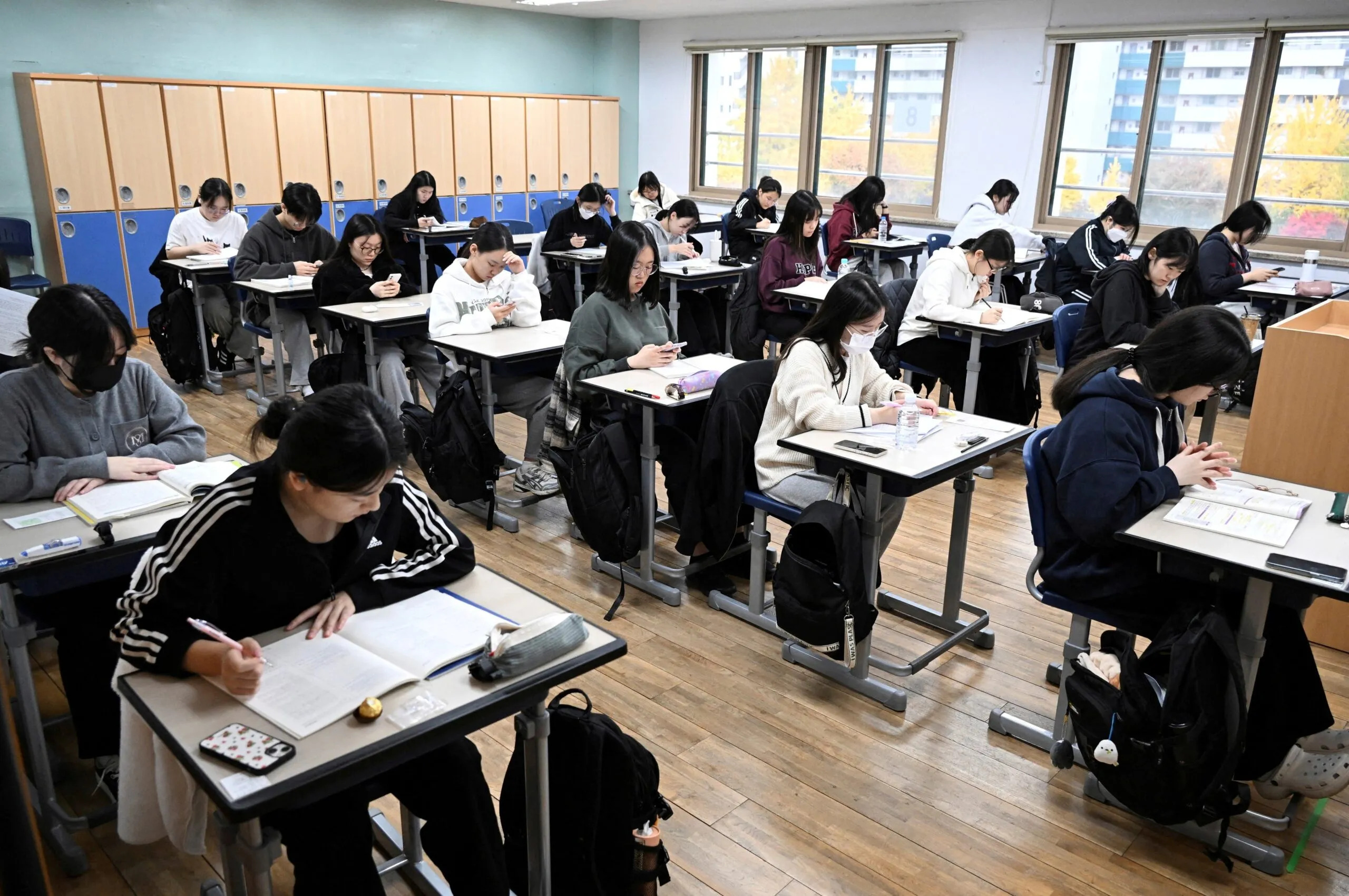
South Korea has passed a nationwide ban on mobile phone use in school classrooms, joining a growing list of countries tackling digital distraction in education.
The law, approved by the National Assembly, will take effect in March 2026. It prohibits students from using smartphones and similar devices during lessons, though exceptions will be made for students with disabilities or specific educational needs.
Lawmakers say the move targets growing concerns over youth mental health, addiction to social media, and poor sleep patterns. A government survey showed 22% of students feel anxious when separated from their phones, while 37% say social media affects their daily lives.
Supporters say the ban will improve focus and classroom performance. One lawmaker warned that many students are on Instagram “until 2 a.m.” and arrive at school with “red eyes and no energy.”
The ban largely codifies existing school-level rules, but critics say a national law could infringe on students’ rights. Youth advocacy groups argue that blanket restrictions may not address the root causes of overuse.
Still, South Korea isn’t alone. Brazil, Portugal, China, and Finland have all implemented similar bans or restrictions in schools. Even the UK recently recommended tighter controls on devices during class hours.
The South Korean Education Ministry says it will work with schools to ensure a smooth rollout, balancing enforcement with student well-being.
Whether the law leads to lasting change—or simply pushes screen time elsewhere—remains to be seen.